Insights
The science of your skin, told in full
On Instagram we sum up a skin study in a few lines. Here you will find the full version, with the method, the results and the limits of each study, always linked to the original source.

Defences of the stratum corneum ·
The stratum corneum, the skin’s first line of defense
The outermost layer of the skin performs many defensive functions that are linked together. A 2005 review describes them as a single system.
Read the article →
Niacinamide and dark spots ·
Niacinamide and dark spots, what the studies showed
A 2002 study tested niacinamide on facial dark spots, in the laboratory and in people. Here are the results and the mechanism observed.
Read the article →
Vitamin C and formulation ·
Vitamin C on the skin, why the formula makes the difference
A laboratory study measured how much vitamin C actually gets into the skin. The result depends on the pH and concentration of the formula.
Read the article →
Collagen, age and sex ·
Collagen, age and sex, a classic study of the skin
A 1975 study measured skin collagen in many healthy people. It decreases with age and is lower in women at every age.
Read the article →
Epidermal turnover ·
How long it takes for the skin to renew itself
The epidermis renews itself continuously. A calculation published in 1994 estimates that it takes about 47 to 48 days to replace itself completely.
Read the article →
Cleansing and the barrier ·
Cleansing and the barrier, what surfactants do to the skin
Surfactants can stay in the skin after rinsing. A 2012 review explains how newer cleansers try to respect the skin barrier.
Read the article →
Vitamins C and E and ferulic acid ·
Vitamins C and E with ferulic acid, what the laboratory showed
In a laboratory study, ferulic acid made vitamins C and E more stable and doubled their protection against simulated UV rays.
Read the article →
Daily sun protection ·
Daily sunscreen, what a four-and-a-half-year study showed
An Australian study of 903 adults compared daily sunscreen use with occasional use. Here are the results on skin aging.
Read the article →
Hydroxy acids and the sun ·
Hydroxy acids and the sun, why daily protection matters
Glycolic acid and other hydroxy acids are widely used ingredients. A 2010 review pays special attention to their safety on sun-exposed skin.
Read the article →
Cold and dry air ·
Cold and dry air, why the skin gets more delicate in winter
Low humidity and low temperatures weaken the skin barrier and make the skin more reactive. Here is what a 2016 review says.
Read the article →
Peptides ·
Peptides in a cream, what a study of 93 women showed
A moisturizer with palmitoyl pentapeptide was compared with the same cream without the peptide on half of the face for 12 weeks.
Read the article →
Petrolatum and the barrier ·
Petroleum jelly, what it really does to the skin barrier
Petroleum jelly was thought to form a film on the surface only. A 1992 study showed that it enters the stratum corneum and helps the barrier recover.
Read the article →
Bakuchiol ·
Bakuchiol and retinol compared in a 12-week study
A double-blind study of 44 people compared bakuchiol and retinol on the signs of photoaging. Here are the results and how well each was tolerated.
Read the article →
Vitamin E ·
Vitamin E, half a century of research on the skin
Vitamin E has been studied in dermatology for over 50 years. A 2007 review explains what we know and which questions remain open.
Read the article →
Glycerol ·
Glycerin, a classic ingredient for skin hydration
Glycerin has been used in creams for decades, and the skin also makes it on its own. A 2008 review sums up its effects on the skin barrier.
Read the article →
The map of the face ·
The map of the face, each area has its own skin
Nose, chin, neck and the area around the mouth have different skin. One study measured six skin parameters at seven sites.
Read the article →
Retinol ·
Retinol, what happens in the skin after four weeks
A study compared retinol and retinoic acid on skin structure and genes, and measured wrinkles after 12 weeks of retinol.
Read the article →
Artificial intelligence and signs of ageing ·
Artificial intelligence and selfies, how the signs of aging change
An algorithm analyzed selfies of more than half a million European and Chinese women. The signs of aging evolve differently in the two groups.
Read the article →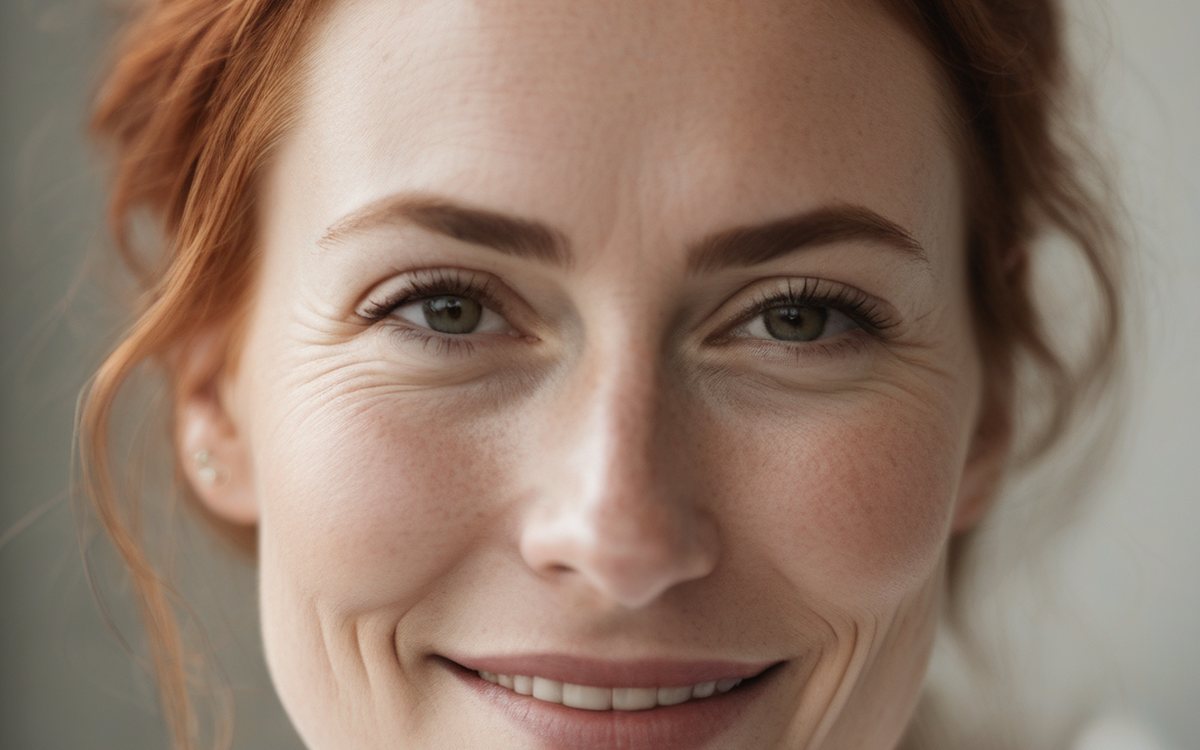
Sensitive skin ·
Sensitive skin, nearly four in ten people in Europe
A survey of 4,506 people in eight European countries shows how common sensitive skin is. Italy and France had the highest rates.
Read the article →
Ceramides ·
Ceramides, the barrier lipids your skin already knows
Ceramides are natural skin lipids that matter for the barrier. A 2014 review explains what they are and why so many creams contain them.
Read the article →
The skin’s daily rhythm ·
Your skin has a clock, why the evening matters for your routine
Water loss, pH and skin temperature follow a 24-hour rhythm. One study suggests the skin is more permeable in the evening.
Read the article →
Niacinamide ·
Niacinamide, what a 12-week study showed
A 5% niacinamide cream was applied to half of the face for 12 weeks. Here is what changed compared with the other half.
Read the article →
Skin pH ·
Skin pH is more acidic than was once thought
A study of 330 people estimates that the natural pH of the skin is 4.7 on average. Here is why it matters and what makes it change.
Read the article →
Hyaluronic acid cream ·
Hyaluronic acid cream, what changes with molecular weight
Five 0.1% hyaluronic acid creams of different molecular weights were tested for 60 days around the eyes. Here are the results.
Read the article →
The skin microbiome ·
The skin microbiome, the invisible community that lives with you
A community of microorganisms lives on your skin and interacts with the immune system. A review in Nature Reviews Microbiology sums up what we know.
Read the article →
Vitamin C cream ·
Vitamin C cream, a six-month study on sun-damaged skin
A 5% vitamin C cream was compared with its base cream for six months on photoaged skin. Here are the method and the results.
Read the article →
Moisturiser ·
Moisturizer, how long its effect on the skin really lasts
A study measured skin hydration up to 24 hours after a single application of cream. Here is what it found and how to read it.
Read the article →Let’s talk
Do you have a question about your skin?
Write to us. The Clair Clinique team will be happy to answer, whether it is about this study, your routine or a personalized consultation.